1. abiit- 3rd person singular perfect indicative active of "abere" meaning "to abide"
2. monebat- 3rd person plural imperfect indicative active of "monere" meaning "to adivsvi
3. respondi- 3rd person singular perfect indicative active of "respondere" meaning "to respond"
4. fecit- 3rd person singular perfect indicative active of "fecio" meaning "to make"
5. vibrabant- 3rd person plural imperfect indicative active of "vibro" meaning "to move to"
Friday, April 30, 2010

Binomial Check One
agrestis-greek-from the field
amphi-greek-from both sides
ampulla-greek-flask
anthropos-greek-human being
baccata-greek-berry bearing
blanda-latin-pleasant
caecus-latin-blind
canis-latin-dog
caulos-greek-stem
cneme-greek-shin
cristatus-latin-crested
crocos-greek-yellow
dactylos-greek-finger
derma-greek-skin
dulcis-latin-sweet
amphi-greek-from both sides
ampulla-greek-flask
anthropos-greek-human being
baccata-greek-berry bearing
blanda-latin-pleasant
caecus-latin-blind
canis-latin-dog
caulos-greek-stem
cneme-greek-shin
cristatus-latin-crested
crocos-greek-yellow
dactylos-greek-finger
derma-greek-skin
dulcis-latin-sweet
Wednesday, April 28, 2010
Practis
Acutis- Latin Sharpened
albus- latin white
amphi- greek on both sides
anthropos- greek human being
apis- latin bee
aquaticus- greek from the water
argentatis- latin from the field
aureus- greek golden
baccata- greek berry bearing
bradis- latin slow
cychis- latin plant
cannus- greek flesh
cauda- greek tail
ceps- latin principal
cloros- latin green
chroma- latin color
cola- latin dweller
corax- greek raven
custados- latin clean
cristados- latin crested
albus- latin white
amphi- greek on both sides
anthropos- greek human being
apis- latin bee
aquaticus- greek from the water
argentatis- latin from the field
aureus- greek golden
baccata- greek berry bearing
bradis- latin slow
cychis- latin plant
cannus- greek flesh
cauda- greek tail
ceps- latin principal
cloros- latin green
chroma- latin color
cola- latin dweller
corax- greek raven
custados- latin clean
cristados- latin crested
Monday, April 26, 2010
Marx
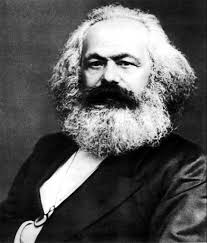
I have missed, of a kind of Augustine age that was able, that occurred more, out of which have concerned so far the power of the trials; I first compare with another age of Roman history, on one hand, if revealed, to an age prior, what is happily named, and is similar to the Augustine Age, this indeed, justice and recanted trials, his verse and
Karl Marx was a philosophical thinker of the Enlightenment period who was also the father of Communism. His ideals of man working together toward the greater good were genius on paper but did not work out so well in practice, as well as not getting him on the good side of the monarchical families of his period. The German philosopher would go down in history as one of the most derogatory namesakes in history in the Western World.
Friday, April 23, 2010
Structural A nalysis Poem
The blocks they lined in unison,
By rank and row they filed,
Directed by an unknown source,
They all let out no smiles.
You see they saw no problem here,
They only stood and stared,
For the unknown source was watching them,
And expressed them all beware.
The ranks were filled with only friends,
Cause foe was told to leave,
The only foe there appeared to be,
Was the one they saw and feared.
They would not dare to challenge him,
For he was far too strong,
But in the depths of every block,
There cried a sense of wrong.
By rank and row they filed,
Directed by an unknown source,
They all let out no smiles.
You see they saw no problem here,
They only stood and stared,
For the unknown source was watching them,
And expressed them all beware.
The ranks were filled with only friends,
Cause foe was told to leave,
The only foe there appeared to be,
Was the one they saw and feared.
They would not dare to challenge him,
For he was far too strong,
But in the depths of every block,
There cried a sense of wrong.
Parsing Check Two
1. laudat- 3rd person singular present active indicative of "laudo" meaning "to praise"
2. resistit- 3rd person singular present active indicative of "resisto" meaning "to resist"
3. mane- 2nd person singular present active imperative of "maneo" meaning "to have"
4. fugiunt- 3rd person plural present active indicative of "fugio" meaning "to flee"
5. est- 3rd person singular present active indicative of "sum" meaning "to be"
6. sunt- 3rd person plural present active indicative of "sum" meaning "to be"
7. servit- 3rd person singular present active indicative of "servo" meaning "to be a servant"
8. fecit- 3rd person singular present active indicative of "fecio" meaning "to make"
9. estque- 3rd person singular present active indicative of "sum" meaning "to be"
10. eritque- 2rd person singular future active indicative of "sum" meaning "to be"
11. observo- 1st person singular present active indicative of "observo" meaning "to observe"
12. fugit- 3rd person singular present active indicative of "fugio" meaning "to flee"
13. nescis- 2nd person singular present indicative active of "nescio" meaning "to know"
14. fugis- 2nd person singular present active indicative of "fugio" meaning "to flee"
15. nescit- 3rd person singular present active indicative of "nescio" meaning "to not know"
16. dabat- 3rd person singular present active indicative of "dabeo" meaning "to owe"
17. vidit- 3rd person singular present active indicative of "video" meaning "to see"
18. relinquit- 3rd person singular present active indicative of "relinquo" meaning "to let go"
19. produnt- 3rd person plural present active indicative of "prosum" meaning "to be
use of"
20. concordant- 3rd person singular present active indicative of "concordo" meaning "to make an agreement"
anaphora
fecit- 3rd person singular perfectactive indicative of "fecio" meaning "to make"
21.5/20
2. resistit- 3rd person singular present active indicative of "resisto" meaning "to resist"
3. mane- 2nd person singular present active imperative of "maneo" meaning "to have"
4. fugiunt- 3rd person plural present active indicative of "fugio" meaning "to flee"
5. est- 3rd person singular present active indicative of "sum" meaning "to be"
6. sunt- 3rd person plural present active indicative of "sum" meaning "to be"
7. servit- 3rd person singular present active indicative of "servo" meaning "to be a servant"
8. fecit- 3rd person singular present active indicative of "fecio" meaning "to make"
9. estque- 3rd person singular present active indicative of "sum" meaning "to be"
10. eritque- 2rd person singular future active indicative of "sum" meaning "to be"
11. observo- 1st person singular present active indicative of "observo" meaning "to observe"
12. fugit- 3rd person singular present active indicative of "fugio" meaning "to flee"
13. nescis- 2nd person singular present indicative active of "nescio" meaning "to know"
14. fugis- 2nd person singular present active indicative of "fugio" meaning "to flee"
15. nescit- 3rd person singular present active indicative of "nescio" meaning "to not know"
16. dabat- 3rd person singular present active indicative of "dabeo" meaning "to owe"
17. vidit- 3rd person singular present active indicative of "video" meaning "to see"
18. relinquit- 3rd person singular present active indicative of "relinquo" meaning "to let go"
19. produnt- 3rd person plural present active indicative of "prosum" meaning "to be
use of"
20. concordant- 3rd person singular present active indicative of "concordo" meaning "to make an agreement"
anaphora
fecit- 3rd person singular perfectactive indicative of "fecio" meaning "to make"
21.5/20
Wednesday, April 21, 2010
Recycling Through the Ages
Recycling hasn't just occurred recently due to a "green" mania. Throughout the ages, particularly the Roman and Medieval in this case, recycling was a prominent way to rebuild civilizations. The Romans recycled water like it was their job , which in a way it kind of was. Their aqueducts which ran from the mountains were used in fountains over and over again so that new water would not have to be summoned again and wasted. They also recycled Greek art in a way by bringing back the old and presenting it as the new. Once the Roman Empire fell the people were left in chaos with no civilization to help them out and flourish. Bricks from roads and Hadrian's wall were used to build houses. They also used the Coliseum to dump their trash into as well as use for bricks and other uses. The people in Britain used the metal coins for armor and other necessities once the mines built by the Romans were deserted and had neither the men nor the knowledge to work them. AS one can see, Recycling is rather a product of the past no the future.
Monday, April 19, 2010
Parsing Check One
Fugias- 2nd person singular present active subjunctive of "fugere" meaning "to flee"
Servit- 3rd person singular present active indicative of "serco" meaning "to serve"
Est- 3rd person singular present active indicative of "sum" meaning "to be"
Fecit- 3rd person singular present active indicative of "fecio" meaning "to make"
Reliquit- 3rd person singular present active indicative of "relinquo" meaning "to let go"
fuga- 2nd person present active imperative of "fugere" meaning "to be"
nudabant- 3rd person plural imperfect active indicative of "nudere" meaning "to strip"
monebat- 3rd person singular imperfect indicative active of "moneo" meaning "to advise"
dabat- 3rd person singular imperfect indicative active of "dabeo" meaning "to owe"
vibrabant- 3rd person plural imperfect active indicative of "vibro" meanin g "To move"
Servit- 3rd person singular present active indicative of "serco" meaning "to serve"
Est- 3rd person singular present active indicative of "sum" meaning "to be"
Fecit- 3rd person singular present active indicative of "fecio" meaning "to make"
Reliquit- 3rd person singular present active indicative of "relinquo" meaning "to let go"
fuga- 2nd person present active imperative of "fugere" meaning "to be"
nudabant- 3rd person plural imperfect active indicative of "nudere" meaning "to strip"
monebat- 3rd person singular imperfect indicative active of "moneo" meaning "to advise"
dabat- 3rd person singular imperfect indicative active of "dabeo" meaning "to owe"
vibrabant- 3rd person plural imperfect active indicative of "vibro" meanin g "To move"
Thursday, April 15, 2010
Review Project
Publius Ovidius Naso wrote some of the most superlative poetry that Rome or the world has ever seen. He wrote in dactylic hexameter, copying the style that such epics as the Iliad, the Odyssey, and the Aeneid written in, but instead doesn’t talk about heroes and prodigious deeds as in the epics mentioned before; rather he talks about love and jumps sporadically from story to story about the tales of the metamorphoses. Three authors, Arthur Golding, George Sandys, and John Dryden, took it upon themselves to translate the Latin texts into English so that readers everywhere would be able to enjoy the ancient literature. When ranked in order from most direct form of translation to the most indirect it would appear as John Dryden, Arthur Golding, and then George Sandy. John Dryden is the most direct and keeps most of Ovid’s substance the same in his translation. He does not take any of the modern world’s issues or other modernities and project it into the ancient poem where they do not fit or belong.
Dryden was born on August 9, 1631 and later attended Westminster and Trinity College where he obtained his BA and graduated at the top of his class. He wrote mock-heroics and satires that became very popular in England, but was eventually forced into recluse when he would not take an oath to the new government. It is at this time that Dryden translated the Metamorphoses by Ovid until his death on May 12, 1700. In his translation of the books, he translated the un-rhyming Latin and turned them into prose. Even though he did not keep the pure un-rhyming substance of Ovid’s works, he still kept the same directness that emulates Ovid’s reduction of words and precision. Dryden backed up his method of translation when he said, “I have not tied myself to a literal translation; but I have often admitted what I have judged necessary or not of dignity to appear in the company of better thoughts" (1). Dryden is merely taking the Latin from which Ovid wrote some of the most dramatic and eye catching literary art to date, and rewriting it into the way it would be understood today with the same dramatic tone that Ovid captured so many audiences in ancient Rome with. It is this method of keeping the substance from the original Latin, but translating it into a way that would capture audiences in today’s world as it did in Ovid’s that earns Dryden the top spot among the authors.
Arthur Golding was born in 1536 and was a man who had strong Puritan sympathies which often became entangled in his works. It is these strong Puritan sympathies that keep Golding out of the top spot. Golding almost kept true to the dactylic hexameter which uses close to 13 beats by using iambic heptameter which is 14 beats. By keeping close to the same number of beats (or feet) Golding is able to accomplish the true metric substance of Ovid’s poetry, but it is the rhyming once again that keeps this translation from keeping the true rendition of Ovid’s metamorphoses. His translation also introduced ancient “pagan” mythology to England and more importantly, arguably the best playwright of all time, William Shakespeare. It is because of the time frame that it is written in that also makes this old English hard to understand in modern times, which is another reason that it is in the number two spot. Arthur Golding also translated many other Latin works until he died around 1605.
George Sandys was born in 1578, educated in Oxford, and traveled around Europe and the Middle East until finally colonizing in Virginia. Sandys translations are very much tied in with his experiences of traveling, especially his last travel in Virginia. He includes many references in his translation to America, which takes away from the true substance of the original work and does not maintain its true validity. He also uses prose just as John Dryden did along with some old English like Arthur Golding, which makes it even harder to understand. With all of the mixed cons of the other authors, this wins Sandys the last spot in the rankings. The only thing that Sandys did well through his translation though, was perhaps provide the only copy of Latin mythology available in the Americas in a way that the colonists could relate to.
1) Dryden, John, and Keith Walker. John Dryden: the Major Works. Oxford: Oxford UP, 2003. Print.
1.
Dryden was born on August 9, 1631 and later attended Westminster and Trinity College where he obtained his BA and graduated at the top of his class. He wrote mock-heroics and satires that became very popular in England, but was eventually forced into recluse when he would not take an oath to the new government. It is at this time that Dryden translated the Metamorphoses by Ovid until his death on May 12, 1700. In his translation of the books, he translated the un-rhyming Latin and turned them into prose. Even though he did not keep the pure un-rhyming substance of Ovid’s works, he still kept the same directness that emulates Ovid’s reduction of words and precision. Dryden backed up his method of translation when he said, “I have not tied myself to a literal translation; but I have often admitted what I have judged necessary or not of dignity to appear in the company of better thoughts" (1). Dryden is merely taking the Latin from which Ovid wrote some of the most dramatic and eye catching literary art to date, and rewriting it into the way it would be understood today with the same dramatic tone that Ovid captured so many audiences in ancient Rome with. It is this method of keeping the substance from the original Latin, but translating it into a way that would capture audiences in today’s world as it did in Ovid’s that earns Dryden the top spot among the authors.
Arthur Golding was born in 1536 and was a man who had strong Puritan sympathies which often became entangled in his works. It is these strong Puritan sympathies that keep Golding out of the top spot. Golding almost kept true to the dactylic hexameter which uses close to 13 beats by using iambic heptameter which is 14 beats. By keeping close to the same number of beats (or feet) Golding is able to accomplish the true metric substance of Ovid’s poetry, but it is the rhyming once again that keeps this translation from keeping the true rendition of Ovid’s metamorphoses. His translation also introduced ancient “pagan” mythology to England and more importantly, arguably the best playwright of all time, William Shakespeare. It is because of the time frame that it is written in that also makes this old English hard to understand in modern times, which is another reason that it is in the number two spot. Arthur Golding also translated many other Latin works until he died around 1605.
George Sandys was born in 1578, educated in Oxford, and traveled around Europe and the Middle East until finally colonizing in Virginia. Sandys translations are very much tied in with his experiences of traveling, especially his last travel in Virginia. He includes many references in his translation to America, which takes away from the true substance of the original work and does not maintain its true validity. He also uses prose just as John Dryden did along with some old English like Arthur Golding, which makes it even harder to understand. With all of the mixed cons of the other authors, this wins Sandys the last spot in the rankings. The only thing that Sandys did well through his translation though, was perhaps provide the only copy of Latin mythology available in the Americas in a way that the colonists could relate to.
1) Dryden, John, and Keith Walker. John Dryden: the Major Works. Oxford: Oxford UP, 2003. Print.
1.
Wednesday, April 14, 2010
Lyric or Epic
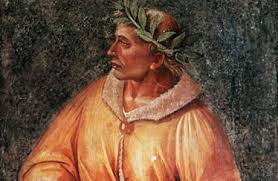
Ovid's poetry tends to be more lyric than epic, though it can be argued that his poetry is very much epic because of its length but to be truthful it is very far from the tales of such characters as Achilles and Agamemnon and therefore most regard it as a mere lyric poem. Though the poem is long it still doesn't have the overly dramatic or heroic taste of Catullus' poem 64. For example Ovid's Metamorphoses have a very dramatic, but not overly dramatic, taste. This would make some classify it as an epic on account of the dramaticism, but this is not the case because of the lack of heroic characters. The characters are instead the Greek gods and goddesses but not the heroic ones such as Achilles. Therefore, since his poems lack the heroes of epics, his poems are classified as strictly lyric.
Tuesday, April 13, 2010
69, 70, 77, 83, 85, 87, 101, 109, 116
Do not wonder why none of the women, Rufus, want to wrangle you with their tender legs, not if you present them with uncommon gifts to weaken them with clothes or delicate jewels. You are struck by a certain bad story, which says that under your arms a cruel animal holds on. This they all fear; and no wonder: for it is certainly a bad beast, no beautiful girl will not lie down with. Wherefore either rid of the inferior smell to the nose, or do not wonder why they flee.
There is none says my woman to me with whom she'd spend time, not if Jupiter asked her himself. She said: but women say what they desire with bitterness, in wind and quickness it shall be understandably written in water.
Rufus, to my frustration is believed to be my friend (frustration? on the contrary with a great and evil value), is this how you creep up to me, and burn intestines and thrown out all the bad things that were good to our friendship? You threw away, cruel venom of our life, pest of our friendship.
Lesbia says many bad things about me present of other men; This is the source of great.Fool do you understand nothing? If she could forget me and be silent she would be sound: now she whines and hurts me and does not recall but it is worse that she is angry. This is because she melts as she speaks.
I hate and I love. Whereby would I possibly ask about it.I don't know, but I perceive it happens and it torments me.
No woman is able to say that she herself has ever been truly loved so great, as much as my Lesbia is loved by me. No trust of such size was marred at any such time before, you share how much in love you are with me.
Through many clans and through many waters I have come to bear this misery, brother, to honor the sacrifice of the dead, Where I can finally give you a gift of death and speak in vain to ashes, Seeing that you have taken my fortune, O miserable brother taken unworthily away from me. Now yet while these, which by the miserable tradition of our parents surname Prisco, you have received brother and you flow into eternity, brother, hail and goodbye.
Pleasantly, my life, my promise to display our love through an eternal door. Great gods, compose for her to be able to let forth and say clean and out of his spirit. Where its permitted for our whole life and sanctify this alliance of a friendship.
I search for with zeal hunting for what poem to send off to sooth you Battidae, so your will not let go missiles at my head, this I now see i have frustrated myself in my labor, Gelli, and see these hopes strongly. I will go against and evade your missiles friend: I aim to render you until you surrender.
There is none says my woman to me with whom she'd spend time, not if Jupiter asked her himself. She said: but women say what they desire with bitterness, in wind and quickness it shall be understandably written in water.
Rufus, to my frustration is believed to be my friend (frustration? on the contrary with a great and evil value), is this how you creep up to me, and burn intestines and thrown out all the bad things that were good to our friendship? You threw away, cruel venom of our life, pest of our friendship.
Lesbia says many bad things about me present of other men; This is the source of great.Fool do you understand nothing? If she could forget me and be silent she would be sound: now she whines and hurts me and does not recall but it is worse that she is angry. This is because she melts as she speaks.
I hate and I love. Whereby would I possibly ask about it.I don't know, but I perceive it happens and it torments me.
No woman is able to say that she herself has ever been truly loved so great, as much as my Lesbia is loved by me. No trust of such size was marred at any such time before, you share how much in love you are with me.
Through many clans and through many waters I have come to bear this misery, brother, to honor the sacrifice of the dead, Where I can finally give you a gift of death and speak in vain to ashes, Seeing that you have taken my fortune, O miserable brother taken unworthily away from me. Now yet while these, which by the miserable tradition of our parents surname Prisco, you have received brother and you flow into eternity, brother, hail and goodbye.
Pleasantly, my life, my promise to display our love through an eternal door. Great gods, compose for her to be able to let forth and say clean and out of his spirit. Where its permitted for our whole life and sanctify this alliance of a friendship.
I search for with zeal hunting for what poem to send off to sooth you Battidae, so your will not let go missiles at my head, this I now see i have frustrated myself in my labor, Gelli, and see these hopes strongly. I will go against and evade your missiles friend: I aim to render you until you surrender.
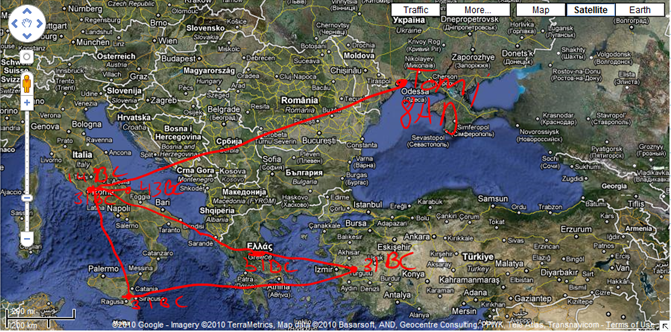
Was Ovid's Banishment Justifiable?
Ovid was banished from Rome because of his book "Ars Amortia". He says that is was because of "a poem and a mistake". Augustus was mad about the fact that he had written the book, which included how to carry on affairs, and because that Ovid knew that Augustus daughter, Julia, was a bit a promiscuous type and he didn't tell Augustus, but rather told half of Rome instead. These actions and behavior landed him in the barren frontier town of Tomi. There he was exiled for some odd years starting in 7 A.D. (the same year as Julia was banished) and his banishment continued from then on out. Then Tiberius took over in 14 A.D. and Ovid lost all hope for he had written in opposition of Tiberius and rather in favor of Germanicus. In Tomi he wrote Tristia and continued work on Fasti before his death which occured in 17A.D.
Ovid probably got what he deserved. I don't think it was the mere fact that he wrote a book about how to have affairs and how to carry on other promiscuous activities, but rather the fact that he told everyone about the promiscuous activities of Augustus' daughter, and the fact that he didn't tell Augustus about it first. Another reason his banishment was rightfully continued is because he got involved in politics between Germanicus and Tiberius. You should expect something bad to happen to you if the opposite party wins and you wrote something terrible about them in the beginning. Ovid ultimately got what he deserved and its a shame he just couldn't keep his mouth shut.
Ovid probably got what he deserved. I don't think it was the mere fact that he wrote a book about how to have affairs and how to carry on other promiscuous activities, but rather the fact that he told everyone about the promiscuous activities of Augustus' daughter, and the fact that he didn't tell Augustus about it first. Another reason his banishment was rightfully continued is because he got involved in politics between Germanicus and Tiberius. You should expect something bad to happen to you if the opposite party wins and you wrote something terrible about them in the beginning. Ovid ultimately got what he deserved and its a shame he just couldn't keep his mouth shut.
Monday, April 12, 2010
This Title Was Too French To Translate
The Interim Kirghiz Government phenomenon said, Monday April 12, they have prepared in due of "Operation Special" controlled by the President Kourmankek Bakiev, who, from the area due south of, promised that he would soon intervene said,"We have prepared for a special operation, but has not come without delay due to lack of human resources...We hope that this will not add on to anything already happening."
Friday, March 26, 2010
Ovid
Ovid, author of Heroides, Ars Amortia, and Amores, was born on March 20 43 B.C. Not much is known about his life other than what one can draw from his poetry because he wrote more about his own life than many of the other poets did. His father wanted him to become a lawyer but after he sent his son to Greece to study philosophy Ovid fell in love with writing poetry. He married three times and divorced twice by the time he was 30 and had only a daughter. His last wife was part of the influential gens Sulpicia and would help him during his exile in Tomis.He was exiled to Tomis in 8A.D. as a result of him writing a poem about Augustus daughter being somewhat of a promiscuous girl.
Thursday, March 25, 2010
Charon
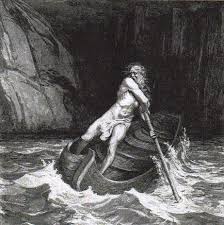
Charon was the ferryman of the dead. The souls of the dead are brought to him by Hermes, and Charon ferries them across the Acheron River. He only accepts the dead which are buried or burned with the proper rights, and if they pay him an obolus (coin) for their passage. For that reason a corpse had always an obolus placed under the tongue. Those who cannot afford the passage are left to wander on the bank of the River Styx for centuries.
Achilles
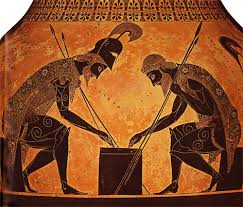
Achilles was the son of the mortal Peleus and the Nereid Thetis. He was the mightiest of the Greeks who fought in the Trojan War, and was the hero of Homer's Iliad. When he was a boy it was prophesized that the city of Troy could not be taken without his help, so his mother dunked him into the River Styx so that he could be not be killed. Unfortunately after his friend was killed by Hector while he was in Achilles armor, Achilles was shot in his heel by an arrow and died because this is the area of his body that was left untouched by the Styx River.
Acilles
Wednesday, March 24, 2010
Pompeii Street Level View
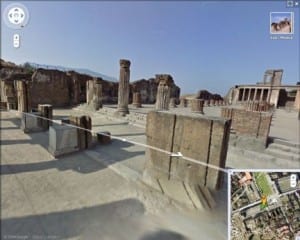
Google Earth allows one to tour Ancient Rome without ever leaving the house. Google Earth's new street view option gives viewers the option to tour Pompeii with a 360 degree, panoramic view of the ruins of Pompeii. Not only can you take a street level tour of Pompeii, but with a few clicks you can move yourself to the Pyramids of Giza and the Acropolis at Greece. This will surely revolutionize the way tourists can see the world.
Pompeii from Street Level
Hadrian's Wall Relit
The wall that was once built to separate the uncivilized from the civilized, and became shambles within centuries after the Roman's civilization collapsed. Recently volunteers, about 500 in number, lit up Hadrian's wall from end to end during Britain's Tourism Week. They started at the ancient Roman fort of Segedunum all the way to Bowness-on-Solway.
Hadrian's Wall
Monday, March 22, 2010
The River Styx
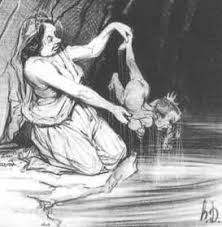
The Styx River was the river that separated the living and the dead. The Styx winds around Hades nine times, and it came from the Greek word sutgein meaning hate. The Greeks revered it so much that they took oaths by mentioning its name, and that Charon would ferry the dead into the underworld.
Styx
Saturday, March 20, 2010
Google Pulling out of China?

As Google begins to uncensor its the web in China through its Hong Kong base, and has been met with resistance from the Chinese government. The government had repeatedly hacked the browsing giant to try and find the emails of radical groups inside the country. Once Google found out they soon mobilized against the world's largest country, threatening to pull out. And it seems inevitable that they soon will as the country's and browsing giants relations have quickly deteriorated. Only time will tell in this historic confrontation.
http://www.theatlantic.com/business/archive/2010/03/as-google-pulls-out-of-china-will-others-follow/37491/
Friday, March 19, 2010
Wednesday, March 17, 2010
Using Video Games for Education

As of late video games have become an aide in the educational field. Some of the latest Real Time Strategy games such as Sid Miers: Civilization games, the Total War series and even some First Person Shooter Games such as the Call of Duty Franchise and the Brothers in Arms series have created a way for people to learn the subject material through a first person experience on the computer or flat screen. For example the first Brothers in Arms game was researched so well that if one was to play the game enough to the point where they memorized the layout of the towns in which the person played they could become a tour guide there. The Total War series has teamed up with the History Channel in their most recent games, making the units the same in detail all the way down to the color of the feather in their hats. Not only does it represent units correctly but the campaigns have events that happened each half year in the country that you are playing as, along with the campaigns being historically accurate except for the part when you can change history by expanding your empire to its greatest heights. So the real question is when will teachers start assigning video games instead of homework?
St. Patrick

Born In Kilpatrick, near Bumbarton in 387 and died Downpatrick, Ireland on March 17 461 he has become one of the most favorite saints among Christian's everywhere. He is one of three saints (St. Nicholas and St. Valentine being the others) that has a day celebrated in their name. His parents were Romans who lived and were in charge of the Britain colonies. At age 14, St. Patrick was captured in a raid and made to tend sheep once taken and enslaved in Ireland for about 6 years until he went to the coast, found some sailors, sailed to Britain, and reunited with his family. He then studied under Saint Germanus for the Priesthood, and once he was ordained he went once again back to Ireland. Once he was on the shores of Ireland, a chieftain of one of the tribes tried to kill him but Saint Patrick made his sword arm immobile until the chieftain agreed to not kill him. He converted thousands and built churches everywhere. He also used the Shamrock to represent the trinity.
Saint Patrick @ Catholic.org
Wednesday, March 10, 2010
Why Violence is Acceptable
I think that people are more concerned over language than violence because it has been ingrained in us since the beginning of time. Violence has been celebrated as the solution to the survival of the fittest for as long as man can remember, and put in the perspective of Romance to Heroism as a result. Language on the other hand is something that people can control and is looked at upon by the higher ranking citizens as something that a vulgar low class citizen would use. Even great warriors and generals, who refined violence to its finest abilities, were/are regarded as top citizens and were even leaders of some of the greatest civilizations to ever exist. These generals were revered whereas those who used foul language were often cast aside as street rats, not worthy of the upper class. A foul mouthed general could make it up the society ladder, but more often than not they would often be ousted or passed over for a more clean mouthed leader. Perhaps the greatest example of mass celebration of violence, though, is the Roman Coliseum and a variety of today's top ranking sports such as football, rugby, and hockey. Even in today's society the saying "He's all talk and no action," brings a negative connotation to the person who it is directed out, even though the person is using foul language over actually physically hurting someone. If one really stops to think about the values of our society compared to those of almost any religion, we are the most hypocritical people on the planet.
Monday, March 8, 2010
PartXLI-Catullus64
Summary: CAtullus writes that many sinful things have happened such as a mother offering her son sex, or that a father cannot have a funeral for his son, but perhaps the most henious sin of all is that their love can never exist and the marriage cannot happen.
PartXL-Catullus64
Dionysus- Dionysus was the god of wine, agriculture, and fertility of nature, who is also the patron god of the Greek stage.The Roman version was the god Bacchus.
Delphi- The Oracle which many prominent figures such as Alexander the Great would come to consult about their future.

Triton River-

Summary: Catullus writes that this was the first time that the earth had experienced a greedy crime by Theseus misdoing in Crete, but would not be the first misdoing of love i nthe future of generations. Most would end in bloodshed.
Delphi- The Oracle which many prominent figures such as Alexander the Great would come to consult about their future.

Triton River-

Summary: Catullus writes that this was the first time that the earth had experienced a greedy crime by Theseus misdoing in Crete, but would not be the first misdoing of love i nthe future of generations. Most would end in bloodshed.
PartXXXIX-Catullus64
Summary: Catullus writes that she must run o nthe threads of life that the Moirai have woven for her. On this path on which she runs she will find truth and happiness for the gods are on her side.
PartXXXVIII-Catullus64
Janus- Janus was the Roman god of gates and doors as well as beginnings and ends. He is always depicted as having two faces, one facing one way and the other in the other direction.
Summary: Catullus writes that she should run and be reunited with her love just as he hopes Peleus and Thetis will be bonded in happy marriage for eternity.
Summary: Catullus writes that she should run and be reunited with her love just as he hopes Peleus and Thetis will be bonded in happy marriage for eternity.
PartXXXVII-Catullus64
King Priam- Priam was the Kin of Troy for ten years and during the Trojan War. It was his fate that he should ruin his country, his family, and himself.
Polyxena- Polyxena was the youngest daughter of Priam and Hecuba. During Hector's burial, Achilles spotted her and immediately fell in love with her. She was ultimately the reason that Achilles died because she was the bait for the trap in which Achilles ended up dying.
Summary: Catullus must like the idea of running, because he has used it quite a lot. In this instance he says that she should run like Achilles should have instead of walking into the trap that was laid before him with Polyxena as the bait. Love was his downfall.
Polyxena- Polyxena was the youngest daughter of Priam and Hecuba. During Hector's burial, Achilles spotted her and immediately fell in love with her. She was ultimately the reason that Achilles died because she was the bait for the trap in which Achilles ended up dying.
Summary: Catullus must like the idea of running, because he has used it quite a lot. In this instance he says that she should run like Achilles should have instead of walking into the trap that was laid before him with Polyxena as the bait. Love was his downfall.
PartXXXVI-Catullus64
Dardanelles-
Scamander River-
Summary: Catullus yet again expands upon the idea that she should run, like the citizens should have ran from Achilles and how she should seperate the rivers of life to explore virtue.
Scamander River-

Summary: Catullus yet again expands upon the idea that she should run, like the citizens should have ran from Achilles and how she should seperate the rivers of life to explore virtue.
Sunday, March 7, 2010
PartXXXV-Catullus64
Phrygian Fields- 
Teucrian- The citizens of Troy, which was made famous by Homer's epic the Illiad.
Pelops- Pelops was the son of Tantalus and the grandson of Zeus. When he was just a boy his father cut him up, put him in a stew and then served him as a feast to hte gods. The gods detected the trick, though, and restored Pelops to life. Though, his shoulder had been eaten by Demeter they just replaced it with ivory. He became even more beautiful than before his restoration adn Poseidon, who fell in love with him, gave him his own chariot.
Summary: Catullus continues to expand upon the idea that this woman should run just as the citizens of Troy should have before their city was destroyed, and just as Achilles should have done to not be killed.

Teucrian- The citizens of Troy, which was made famous by Homer's epic the Illiad.
Pelops- Pelops was the son of Tantalus and the grandson of Zeus. When he was just a boy his father cut him up, put him in a stew and then served him as a feast to hte gods. The gods detected the trick, though, and restored Pelops to life. Though, his shoulder had been eaten by Demeter they just replaced it with ivory. He became even more beautiful than before his restoration adn Poseidon, who fell in love with him, gave him his own chariot.
Summary: Catullus continues to expand upon the idea that this woman should run just as the citizens of Troy should have before their city was destroyed, and just as Achilles should have done to not be killed.
PartXXXIV-Catullus64
Summary: The Moirai continue to tell her to run because her love will turn out to be as tragic as Peleus and Thetis wedding or as tragic as Achilles death in the Trojan War.
PartXXXIII-Catullus64
Emathia- The earliest poetic name for Macedonia.

Achilles- The Greek hero of the Trojan War. The son of Peleus, king of Thessaly, and the sea-goddess Thetis. He was dipped into the river Styx and the only part left untouched by the immortal effect was his Achilles tendon, which is where he got shot with an arrow and died.
Summary: Then Catullus writes that the Moirai told Peleus to run far away to get away from Crete and that she will be rewarded and somehow made up for what treachery was committed against her.

Achilles- The Greek hero of the Trojan War. The son of Peleus, king of Thessaly, and the sea-goddess Thetis. He was dipped into the river Styx and the only part left untouched by the immortal effect was his Achilles tendon, which is where he got shot with an arrow and died.
Summary: Then Catullus writes that the Moirai told Peleus to run far away to get away from Crete and that she will be rewarded and somehow made up for what treachery was committed against her.
PartXXXII-Catullus64
Summary: Catullus is describing one of the Moirai who is decided the fate of man particularly Theseus and his lover on the shore of Crete. The woman is also threading the wool to make something.
PartXXXI-Catullus64
Apollo- The son of Zeus and Leto, and the twin brother of Artemis. Apollo was the god of music, prophecy, colonization, medicine, archery, poetry, dance, intellectual inquiry, the carer of herds and flocks, the god of light (known as "Phoebus"), the god of plague, the destroyer of rats and locust, and in Homer's Iliad, Apollo shot arrows of plague into the Greek camp.
Mount Idrus-
Moirai- The three Fates, they were the destiny of man. they were assigned to every person for his or her share in the scheme of things. The three were Klotho, Atropos, and Lachesis. They were often lame to show the slow march of fate.
Summary: Catullus writes that the gods sit at the judgment table and eat while the Moirai do their earthly biddings of earth to decide the fate of man.
Mount Idrus-
Moirai- The three Fates, they were the destiny of man. they were assigned to every person for his or her share in the scheme of things. The three were Klotho, Atropos, and Lachesis. They were often lame to show the slow march of fate.
Summary: Catullus writes that the gods sit at the judgment table and eat while the Moirai do their earthly biddings of earth to decide the fate of man.
PartXXX-Catullus64
Phaethon- The son of the Sun God, he asked his mother proof of his divine heritage and was sent to the courts where he was to ask his father to grant his favor. He drove the chariot and lost control, and was destroyed by Jupiter so that Earth would not combust into flames.
Prometheus- One of the seven Titans, he was the wisest among his race and gave humans arts and sciences. also when Jupiter first withheld fire, Prometheus stole it from the chariot of the Sun. Jupiter had Prometheus chained to the frozen rock in the Caucasus Mountains where a vulture tore at his liver night and day for eternity.
Summary: The gifts are laid out and someone is coming with the revenge of Prometheus in them to take their revenge on the person who caused them discord.
Prometheus- One of the seven Titans, he was the wisest among his race and gave humans arts and sciences. also when Jupiter first withheld fire, Prometheus stole it from the chariot of the Sun. Jupiter had Prometheus chained to the frozen rock in the Caucasus Mountains where a vulture tore at his liver night and day for eternity.
Summary: The gifts are laid out and someone is coming with the revenge of Prometheus in them to take their revenge on the person who caused them discord.
PartXXVIX-Catullus64
Penios- 
Doric (ethnicity)- The Dorians were an ancient Greek tribe who lived in the North-Eastern part of the Greek Peninsula. They were then driven to the coast of Asia Minor by the Macedonians and Aegians.
Summary: Catullus writes that he is then sent into the pleasant valley of Penios which is abundant with plant life and Doric dancers and it seems like the placed were touched by king Minos himself.

Doric (ethnicity)- The Dorians were an ancient Greek tribe who lived in the North-Eastern part of the Greek Peninsula. They were then driven to the coast of Asia Minor by the Macedonians and Aegians.
Summary: Catullus writes that he is then sent into the pleasant valley of Penios which is abundant with plant life and Doric dancers and it seems like the placed were touched by king Minos himself.
PartXXVIII-Catullus64
Chiron- Chiron is the civilized Centaur who trained several famous disciples, being known for his wisdom and justice. Chiron, who was not a drunkard like other Centaurs, never used his weapons against a man. His home is Mount Pelion.
Mount Peleus-
Summary: The goddess of Dawn then brings the soft wind which then turns into a harder wind to try and bring down Theseus. Then Chiron brings down gifts from Mount Pelion.
Mount Peleus-

Summary: The goddess of Dawn then brings the soft wind which then turns into a harder wind to try and bring down Theseus. Then Chiron brings down gifts from Mount Pelion.
PartXXVII-Catullus64
Summary: Catullus says that others were making sounds such as beating brass drums and were clasping the bedspread and were making their way for the gods who were to come after them.
PartXXVI-Catullus64
Bacchus- The Roman god of Wine, and was the Roman version of the Greek god Dionysus. He was the son of Jupiter and carries a wand tipped with a pine cone. The Maenads and Satyrs followed him carrying ivy-twined fir branches as thyrsi.
Satyrs- In Greek mythology the Satyrs are deities of the woods and mountains. They were demi-gods with the legs, hooves, and horns of goats and attended on the god Bacchus.
Mount Nysa-
Maenads- The female followers of Bacchus.
Summary: Catullus says that Bacchus and his followers were greatly upset by this happening and that they were shaking their spears in anger over what had happened to Theseus.
Satyrs- In Greek mythology the Satyrs are deities of the woods and mountains. They were demi-gods with the legs, hooves, and horns of goats and attended on the god Bacchus.
Mount Nysa-
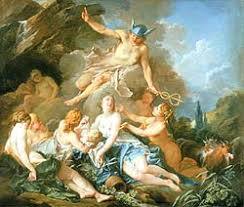
Maenads- The female followers of Bacchus.
Summary: Catullus says that Bacchus and his followers were greatly upset by this happening and that they were shaking their spears in anger over what had happened to Theseus.
PartXXV-Catullus64
Summary: Catullus then said that despite these earlier promises, Theseus boat began to get rocked by the wind and waves. His father began to weep as he watched form the walls of the Citadel of Athens, and then Theseus died and Phaedra began to weep at his death.
PartXXIV-Catullus
Erectheus- The King of Athens, he was a benevolent ruler and the re-founder of the polis. Athenians thought themselves sons and daughter of Erectheus because of his huge impact on the Athenian society.
Summary: Catullus says that Athena has promised to Aegus to protect his son Theseus and to help him kill the Minotaur. And he will also be safely guided to home where he will be happily greeted by his father Aegus.
Summary: Catullus says that Athena has promised to Aegus to protect his son Theseus and to help him kill the Minotaur. And he will also be safely guided to home where he will be happily greeted by his father Aegus.
PartXXIII-Catullus64
Summary: Catullus says that Aegus is not happy to let Theseus go because he is getting old and he wants to spend what time he has left with his son in safety, and he also just doesn't want to see his son in danger.
PartXXII-Catullus64
Aegeus- The father of Theseus, King of Athens, saved him from the poisoned death by Madea because he recognized his sword that he had hidden under the rock. The Aegean Sea was also named after him.
Summary: Catullus says that Theseus had forgotten to tell his father Aegus that he had a safe journey, and told Theseus to return to him safely.
Summary: Catullus says that Theseus had forgotten to tell his father Aegus that he had a safe journey, and told Theseus to return to him safely.
PartXXI-Catullus64
Summary: Catullus writes that she is angry and hates Theseus from the depths of her heart and hopes that something equally bad will happen to him because he assisted in the murder. After she said this the earth and seas began to shake.
PartXX-Catullus64
The Furies- In Greek mythology, the Erinýes, they were female deities of vengeance and chaos representing the anger of the dead. They often haunt their prey, who are the people that committed or assisted in some sort of murder, and either drive them into a craze to kill themselves or kill them themselves.
Summary: Catullus then says that she knows she will get a visit from the furies because of her assistance in the murder of her brother of the minotaur, and she invites them to come because she wants to end her life.
Summary: Catullus then says that she knows she will get a visit from the furies because of her assistance in the murder of her brother of the minotaur, and she invites them to come because she wants to end her life.
PartXIX-Catullus64
Mount Ida- 
Summary- Catullus investigates whether or not she should be more upset over the fact that she helped kill her brother or be upset that she helped the man that just left her and was the love of her life.

Summary- Catullus investigates whether or not she should be more upset over the fact that she helped kill her brother or be upset that she helped the man that just left her and was the love of her life.
PartXVII-Catullus64
Summary: Catullus continues to talk about how she wishes Theseus' boat had not touched the shores of Crete and destroyed her life. She says that him leaving just mocks her.
Subscribe to:
Comments (Atom)
